

Tangelic Talks – Season 03 | Episode 17
Beyond Safaris: Transforming Travel Through Community, Conservation & Responsible Business — Insights from Jennifer Kalemera
14 minutes to read
Ecotourism has become one of the most discussed topics in the sustainability space — but what does it actually look like in practice? In this episode of Tangelic Talks, hosts Victoria Cornelio and Andres Tamez sit down with Jennifer Kalemera, a Tanzanian ecotourism and sustainability expert with more than seven years of experience in conservation, responsible tourism, carbon offsetting, and community-centered hospitality.
For Jennifer, ecotourism is more than a travel trend. It’s a philosophy. A way of doing business. A commitment to people, culture, and nature living in balance.
What Is Ecotourism — Really?
Most people associate ecotourism exclusively with nature — forests, wildlife reserves, national parks. But Jennifer argues the definition must go further.
“Ecotourism operates from a philosophy of caring and respecting the natural environment and the cultures and communities around it.”
In other words, ecotourism is responsible tourism. It balances business growth with community dignity, environmental stewardship, and regeneration.
Ecotourism goes beyond guest experience. It includes:
- Creating jobs for local residents
- Preserving cultural heritage
- Supporting local economies
- Reducing environmental damage
- Ensuring tourism revenue benefits surrounding communities
- Sourcing locally and minimizing waste
- Protecting wildlife and natural resources
When practiced well, ecotourism brings value to everyone — from the traveler to the communities who call these landscapes home.
Jennifer’s Unlikely Path Into Ecotourism
Jennifer’s entry into the tourism sector was completely unexpected.
She trained as a computer engineer — far from hospitality — and joined the Hotels Association of Tanzania simply to gain corporate experience. But being immersed in the tourism sector opened her eyes to a world where business, culture, nature, and community were interconnected.
“Hospitality in its essence is about caring — giving without expecting something back immediately. That philosophy reshaped my entire career.”
That shift in understanding ultimately led her to work in policy, responsible tourism, supply chains, and conservation — and eventually to founding Patina Impact, her own sustainability-focused consultancy.
Responsible Tourism vs. Traditional Tourism: What’s the Difference?
Traditional tourism is guest-facing:
✔ beautiful rooms
✔ great service
✔ memorable experiences
But responsible tourism expands the lens.
Responsible tourism asks:
- Are we supporting local workers?
- Are we protecting nature and cultural identity?
- Are we minimizing harm and waste?
- Are we creating value beyond profit?
- Is the community benefiting — not just the hotel?
In Tanzania, Jennifer has seen first-hand how transformative this can be.
When safari lodges train and employ Maasai, Chaga, or other local groups as guides, staff, or cultural educators, it enriches the tourist’s experience and strengthens the local economy.
“Investing in people isn’t just ethical — it’s commercially smart. The business benefits when the community benefits.”
The State of Ecotourism in Tanzania Today
Tanzania is one of Africa’s top tourism destinations — famous for Serengeti, Ngorongoro Crater, Mount Kilimanjaro, Zanzibar, and its extraordinary biodiversity.
But responsible tourism practices vary widely.
According to Jennifer, many businesses adopt sustainability in an ad hoc, unstructured way. What’s missing is a standardized, evidence-based framework.
That’s where Jennifer’s work — and Patina Impact — comes in.
Patina Impact: Helping Tourism Businesses Become Truly Sustainable
Jennifer founded Patina Impact to help hospitality businesses adopt responsible tourism through a structured, globally recognized system.
The name Patina comes from a Latin-rooted word describing the natural character an object gains as it ages gracefully — a metaphor for sustainable business transformation.
“Sustainability isn’t a quick fix. It’s about deliberate practices that build long-term character.”
Patina Impact focuses on:
- Auditing a business’s entire value chain
- Identifying gaps in operations
- Reducing waste and costs
- Enhancing community impact
- Strengthening environmental stewardship
- Using frameworks like the B Lab (B-Corp) system
By diagnosing a business holistically — from governance and worker welfare to supplier networks and energy use — she helps organizations operate more efficiently, ethically, and profitably.
Why Certifications Can Be Confusing — and How to Choose the Right Ones
Not all sustainability certifications hold the same weight. Some are simply logos, while others require deep operational change.
Jennifer advises choosing frameworks that examine the business holistically — not just environmentally, but socially and economically too.
The B Corp Framework, for example, evaluates:
- governance
- workers
- community
- environment
- customers
This creates clearer, standardized metrics that businesses can trust.
What Does Community Empowerment Look Like in Ecotourism?
Jennifer has seen responsible tourism change lives.
Examples include:
- Safari lodges training local villagers in hospitality
- Communities learning English to engage guests
- Residents gaining employment as guides, chefs, and artisans
- Lodges partnering with local schools and clinics
- Tourism revenue funding local water, education, or conservation projects
When tourism is done right, people living near wildlife reserves see real benefits — not just the inconvenience of safari trucks passing through.
This builds pride, participation, and mutual respect.
How to Prevent Tourism from Becoming Extractive
Tourism can become exploitative when:
- cultures are commodified
- communities are excluded
- natural environments are damaged
- profit takes priority over people
- large resorts displace local families
Jennifer stresses that responsibility must come from:
- business practices
- government policies
- fair land management
- community inclusion
It takes all of these working together — not just regulations or private sector efforts alone.
The Role of Carbon Offsetting & Land Stewardship in Tanzania
Jennifer has worked closely on REDD+ carbon offset projects, where communities become custodians of forests and are compensated for protecting them.
In Tanzania, carbon offsetting includes:
- preventing deforestation
- managing forests sustainably
- preserving wildlife habitat
- earning revenue through carbon credits
- reinvesting earnings into community-led projects
Village councils then decide how to use these funds — whether for water systems, schools, or conservation patrols.
This model protects carbon sinks while supporting rural livelihoods.
Responsible Land & Wildlife Stewardship: What It Looks Like
Some of the biggest causes of land degradation include:
- cutting wood for fuel
- unregulated agriculture
- unsustainable grazing
Sustainable solutions include:
- regulating which land is designated for community use
- teaching responsible tree harvesting
- honoring ancestral ecological knowledge
- community-led conservation models
- income alternatives that reduce pressure on forests
Traditional knowledge plays a vital role. Jennifer emphasizes that Western sustainability methods can’t simply be copied and pasted into rural Tanzania.
“Communities already have systems that worked for generations. Respecting that knowledge is essential.”
How Travelers Can Be Responsible Tourists in Tanzania
If you’re planning a trip to Tanzania, Jennifer recommends asking yourself:
✔ Am I supporting businesses that uplift local communities?
✔ Am I respecting wildlife and nature?
✔ Am I curious about local culture beyond my safari itinerary?
✔ Am I leaving the environment better than I found it?
Responsible tourism begins with awareness — and ends with action.
“Take the lessons home with you. Sustainability doesn’t stop when you leave Tanzania.”
The Future of Tourism in Tanzania: Diversifying Beyond Safari
Tanzania is globally known for the Serengeti and Zanzibar — but the country’s tourism potential is far deeper.
Jennifer highlights:
- Birdwatching in Kitulo National Park
- Whale shark diving in Mafia Island
- Western and Southern circuit national parks
- Cultural tours in Kilimanjaro, Tanga, and Lake Zone
- Rift Valley landscapes
- Undiscovered conservation areas
Diversifying tourism reduces pressure on popular sites and spreads income across the country.
Advice for Young People Wanting to Enter Tourism or Conservation
Tourism is one of the world’s most interdisciplinary industries.
Jennifer encourages young people to bring their unique skills — whether from technology, engineering, hospitality, marketing, conservation, or community development.
“Tourism is massive. You can be an IT specialist, accountant, designer, engineer — and still find a home in this sector.”
Her biggest tip?
Stay curious. Understand your strengths. And learn where they fit into this evolving, impact-driven industry.
Final Thoughts: Ecotourism as a Path to Regeneration
Ecotourism isn’t just about protecting nature — it’s about reimagining how business, community, and environment can thrive together.
Jennifer’s work shows that responsible tourism:
- strengthens local economies
- protects wildlife
- empowers communities
- creates meaningful travel experiences
- supports climate resilience
- ensures Tanzania’s natural beauty lasts for generations
Her message is simple: Responsible tourism is not a luxury — it’s the future of the industry. And the time to build that future is now.

Thought Provoking Q&A Session with Jennifer Kalemera
You know, it's a tricky one. I'm just trying to organise my thoughts here… okay, so the way I see it is this: usually when policies are introduced, it's also another way of governing through taxation. If you talk to the government about this, they'll say, “Alright, we'll create this tax and everyone will suddenly be sustainable.” And that’s such a poor way to think about it.
I wouldn’t necessarily say we need a policy, but rather coordination between different actors in the public space. For example, the Ministry of Culture, the Ministry of Tourism, and the Ministry of Infrastructure and Development could actually sit together and figure out one quick win, rather than each of them sitting in their own corners.
That's why it was a bit harder for me to answer — I didn’t want to just throw out policy ideas. Honestly, I would borrow from the financial sector and introduce some form of sustainability reporting. Just tracking — having audits that look at the data you're collecting. It’s a really effective way of creating the need for knowledge, that hunger for asking: What can I actually do better?
Because first you have to know where the problem is. If you don’t know where the problem is, you can't improve anything.
The name Patina comes originally from Latin, and in English it loosely refers to the character an object gains over time — a natural, gradual testament to its growth. That idea is core to our philosophy. We aim for what I call a patina impact: not quick fixes or flashy “look what I did” sustainability gestures, but deliberate, long-term changes and practices.
The goal is to help tourism facilities keep their authentic character while operating in a way that protects what they already have. It’s about being natural, intentional, and committed.
The way I usually start with clients is by asking what they think will be expensive. They often say, “Oh, only the big tourism brands can afford sustainability.” But that’s usually just an assumption. Once we sit down and look at their operations, we can clearly see the cost-saving aspects — like tracking energy use or reducing waste, which lowers their waste management expenses.
So it’s really about breaking down how sustainability can actually lead to day-to-day cost savings before even getting into environmental benefits.
A lot of it is about making processes more efficient. It doesn’t add cost — it makes things smoother and easier.
When you go through an audit, you look at the entire supply and value chain of the business. For management, that can feel overwhelming, but it reveals synergies between departments they didn’t realise existed. You often find redundant steps that can be eliminated, saving money and improving efficiency.
Those savings can then be reinvested into developing the tourism facility — whether it’s a lodge, a safari camp, anything — or into employee welfare. In that way, you're watering your own garden, strengthening the business, and making it more resilient to external shocks.
I’ve been working on a case study for the past six weeks. It’s quite rigorous — there’s a lot of thinking and reflection involved. At this point it’s about 100% complete, but even for me, working through it with the team, I can really see how everything in the business is interconnected. It’s like putting a magnifying glass on every step of the operation and seeing it from the owner’s or curator’s perspective.
In terms of how a project timeline looks, it’s a mix. Some people already have an interest in sustainability but don’t know where to start. There are so many certifications and frameworks that it can feel overwhelming, and they’re unsure which ones actually lead to real results. So sometimes I reach out, and sometimes they reach out to me.
The timeline also depends heavily on the business setup. For example, if you're operating a single lodge in the Tangier National Park, the process is more straightforward. But if the company has multiple facilities — say, in both mainland Tanzania and Zanzibar — the work becomes more nuanced and complex. It also depends on how well departments are coordinated, how clear tasks are, and the overall company culture.
So it's hard to give one standard duration, but generally, it’s at least eight weeks for a small lodge or a facility with minimal operations, and it can take up to six months for a larger, more layered business.
I wouldn’t necessarily call it a trend, but there is a noticeable increase in tourism establishments that have an adjoining foundation. The facility itself remains focused on hospitality, but the foundation works to support community projects, conservation efforts, or research — for example, anti-poaching initiatives, which are quite significant.
It’s not always easy to combine these business models — hospitality on one side and conservation or community work on the other. But I believe that where a company chooses to invest its money reflects what it cares about most. When businesses put financial investment into non-revenue factors, such as community upliftment, it shows where their priorities truly lie. I’m seeing more of that now, which is really encouraging.
That’s a great question. One thing I didn’t include in my bio is that I’ve also worked with skills development programs. For instance, I contributed to a hospitality apprenticeship program funded by the ILO. The idea was to cover areas not included in traditional curricula, like soft skills training, digital literacy, and other essential skills.
For many young people who express interest in tourism, they often don’t realize how expansive the industry is. You can work in IT, quality assurance, accounting — so many traditional roles have a place in sustainable tourism because it touches every aspect of business.
The key is helping young people identify their passions and inherent skills and then matching those to what the tourism industry needs. But it’s also important to think beyond the present — smart tourism operators are always considering the future, differentiating themselves, and integrating emerging trends, including responsible and sustainable tourism practices.
I hear you. Right now, the biggest draw for Tanzania is definitely safaris. But we also have a lot to offer beyond that — for example, indigenous birds for birdwatching in the Southern Highlands, particularly in Kitulo National Park, which is covered in beautiful flowers.
There are also whale sharks in Mafia Island, and this season is perfect for swimming with them.
My perspective is that if Tanzania were advertised for all of these distinct offerings, tourism would be more balanced. It wouldn’t be so concentrated in one area or activity, and visitors could enjoy a rich, diverse experience without contributing to over-tourism.
Jennifer Kalemera
Founder of Patina Impact
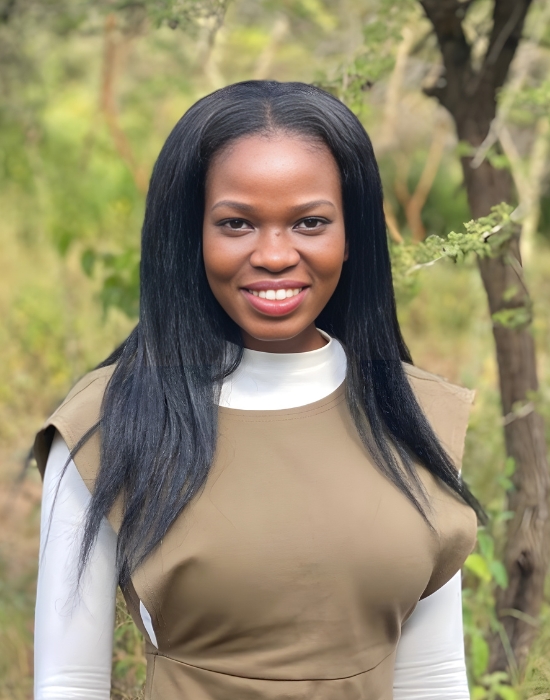
Jennifer brings over seven years of experience in Tanzania’s tourism and conservation sectors. She has contributed to high-impact projects spanning sustainable tourism initiatives, carbon offsetting programs, and tourism industry advocacy. Her work has ranged from supporting market access projects for local producers to advancing responsible tourism practices and shaping policy discussions in the
sector.
Driven by her deep love for her country and a desire to give back, Jennifer is committed to making the tourism industry a force for good. Through Patina Impact, Jennifer helps tourism businesses turn sustainability from a daunting idea into practical, profitable action.
